

Tokyo
L'Effervescence
レフェルヴェソンス
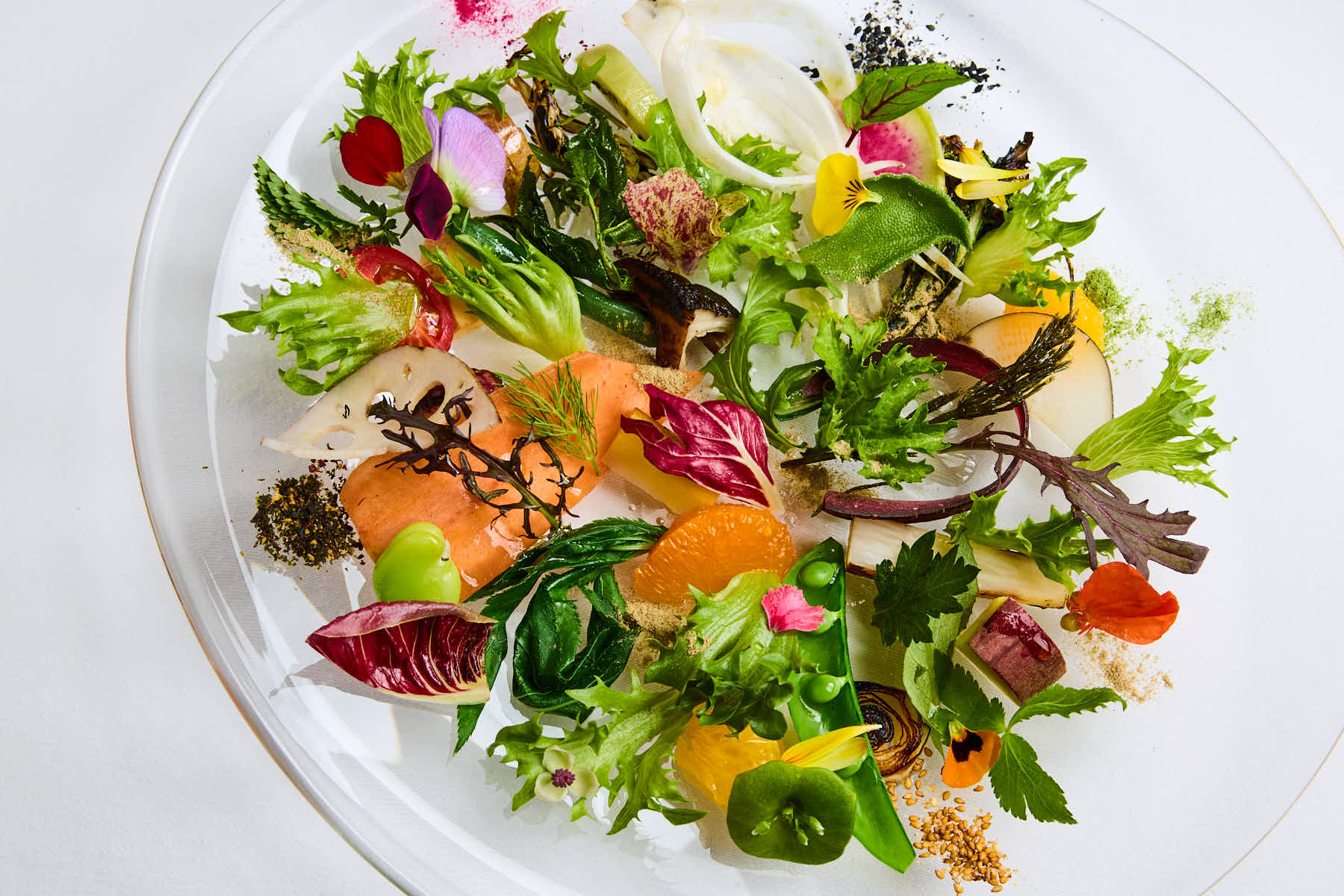
At L'Effervescence, French cuisine tells a profoundly Japanese story. Drawing on the country's landscapes, seasons and traditions, Chef Shinobu Namae has created one of Tokyo’s most treasured dining experiences. The salad presents the character of the seasons with as many as sixty fresh ingredients. A bowl of matcha is prepared according to centuries-old etiquette. Every meal is shaped by the principle of ichiza konryu, in which the host and guest together create a singular encounter.
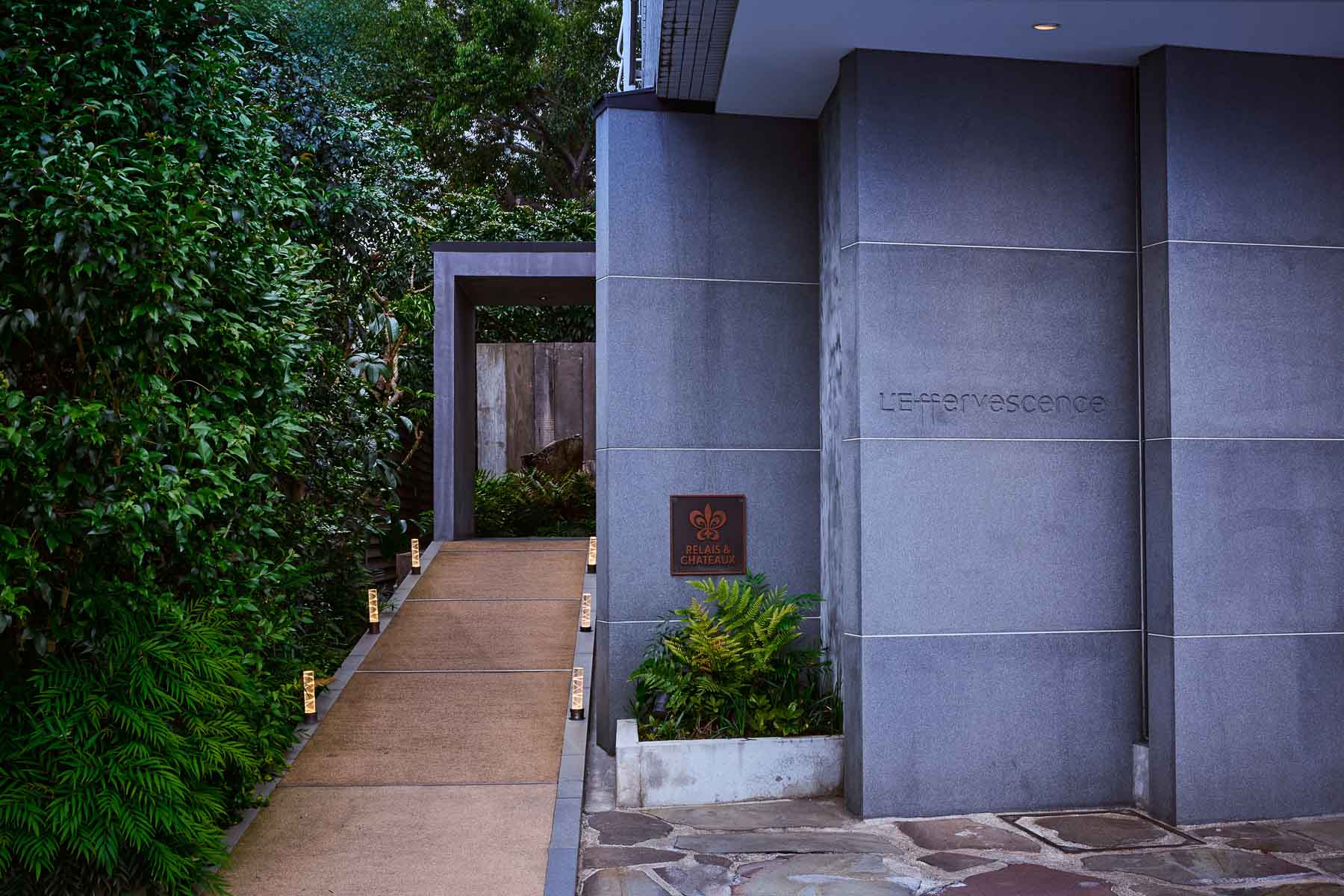
Building on his experiences at some of the world's leading kitchens, including Michel Bras in France and The Fat Duck in the UK, Namae returned to Tokyo to open L'Effervescence in 2010. Tucked away in the residential neighbourhood of Nishiazabu, the restaurant offers a tranquil retreat from the pace of the city, creating a setting in which guests can fully immerse themselves in his unique vision of contemporary gastronomy.
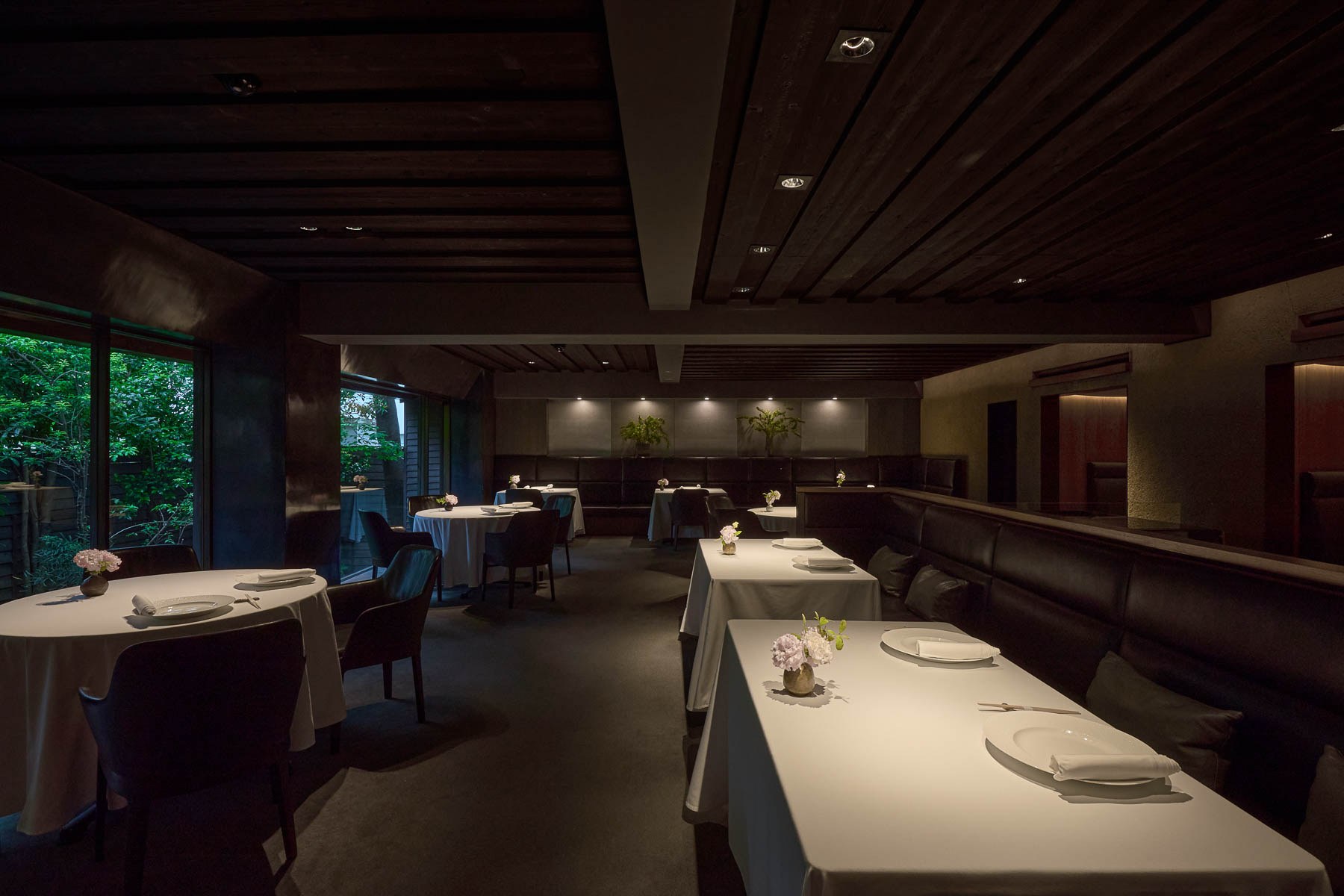
The spacious dining room is calm and understated, enriched by the work of Japanese artisans. Earthen walls created by master plasterer Naoki Kusumi using the kaki-otoshi technique lend warmth and texture to the space. Through the windows, the garden reflects the seasons, while traditional Japanese candles cast a gentle glow across the room. A private room on the lower level takes inspiration from a traditional tea room.
For Namae, a successful meal is one that leaves people feeling uplifted. In developing a dish, he asks four questions: Will the guest be delighted? Will it foster a connection between guests and staff? Will the chefs enjoy preparing it? Will the producers feel rewarded when they see their ingredients transformed on the plate? Together, these principles continue to shape one of Japan's most distinctive dining experiences.
CUISINE
Seasons, distilled onto a plate
L'Effervescence's tasting menu follows the rhythm of the seasons. Renewed four times a year, the menu evolves continuously while retaining several signature dishes for both first-time and returning guests. Each course highlights fresh ingredients sourced from dedicated producers throughout Japan.
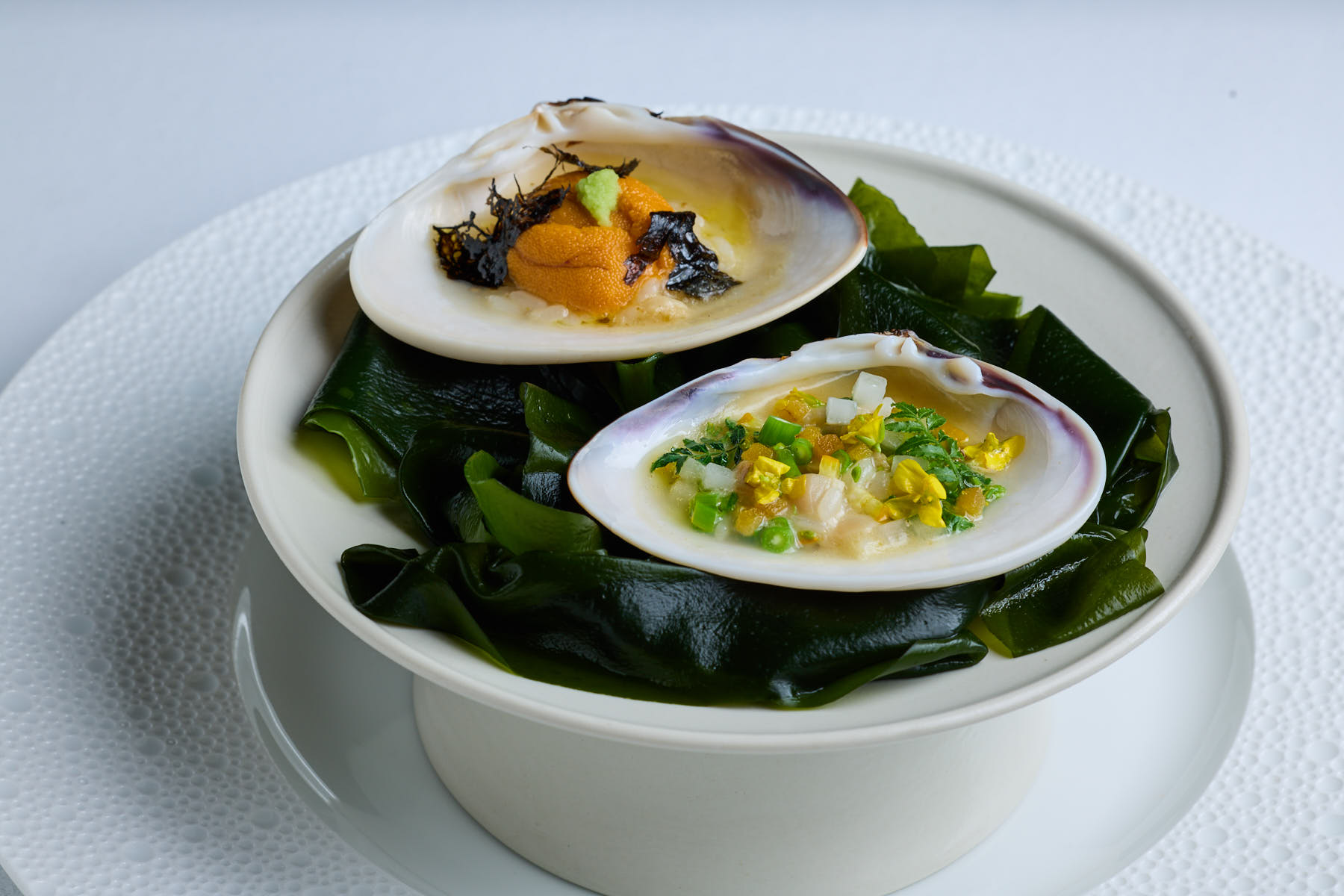
Inspired by traditional cha-kaiseki, the warm clam risotto opens the meal. The risotto is transferred directly from a charcoal-fired shichirin grill onto the guest's plate. Its gentle flavor prepares the palate and warms the stomach.
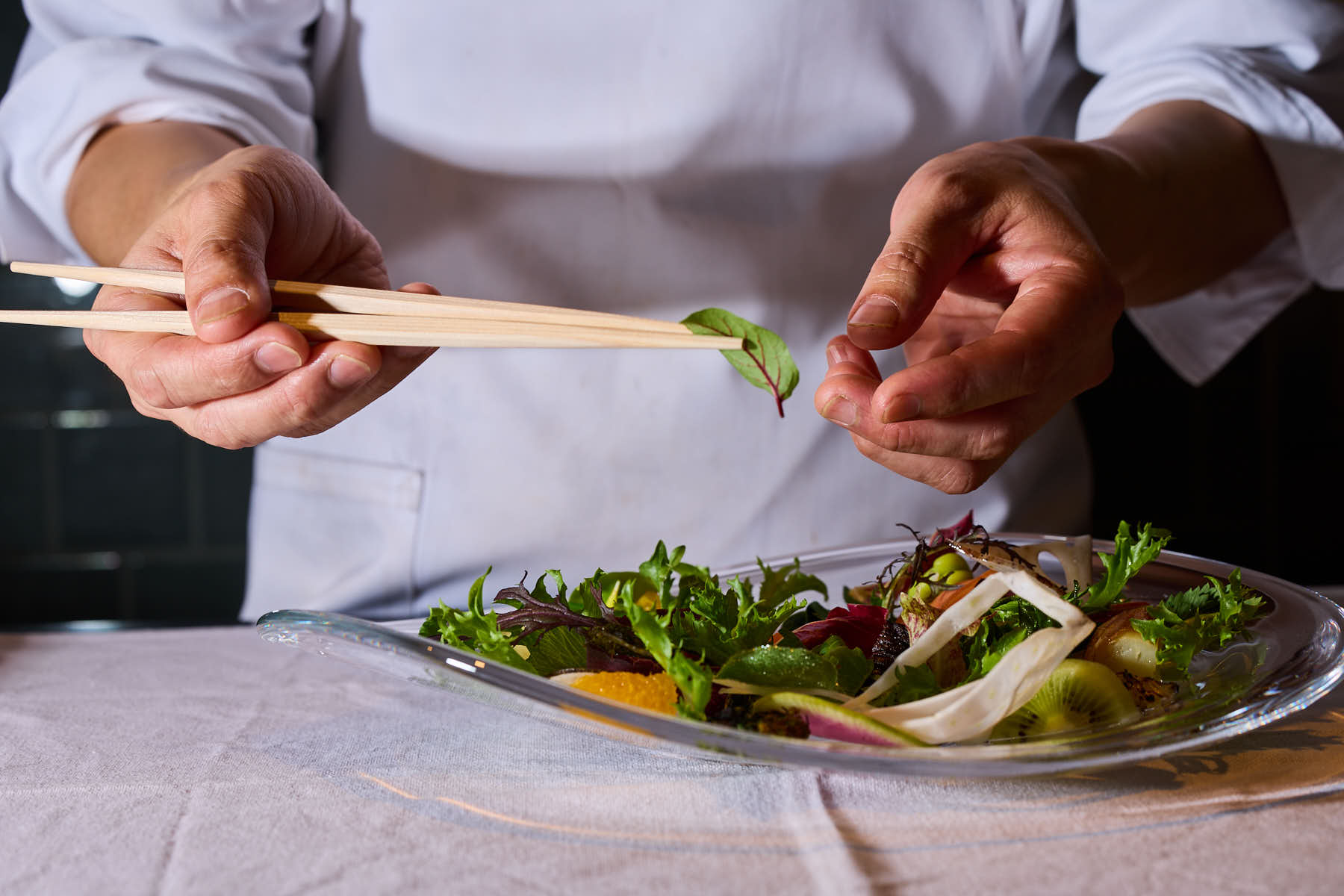
The restaurant's famous salad captures the chef’s culinary philosophy. Composed of as many as sixty ingredients, it presents the character of a season on a single plate. Spring versions feature legumes and citrus fruits, while other iterations reflect the changing harvests throughout the year.
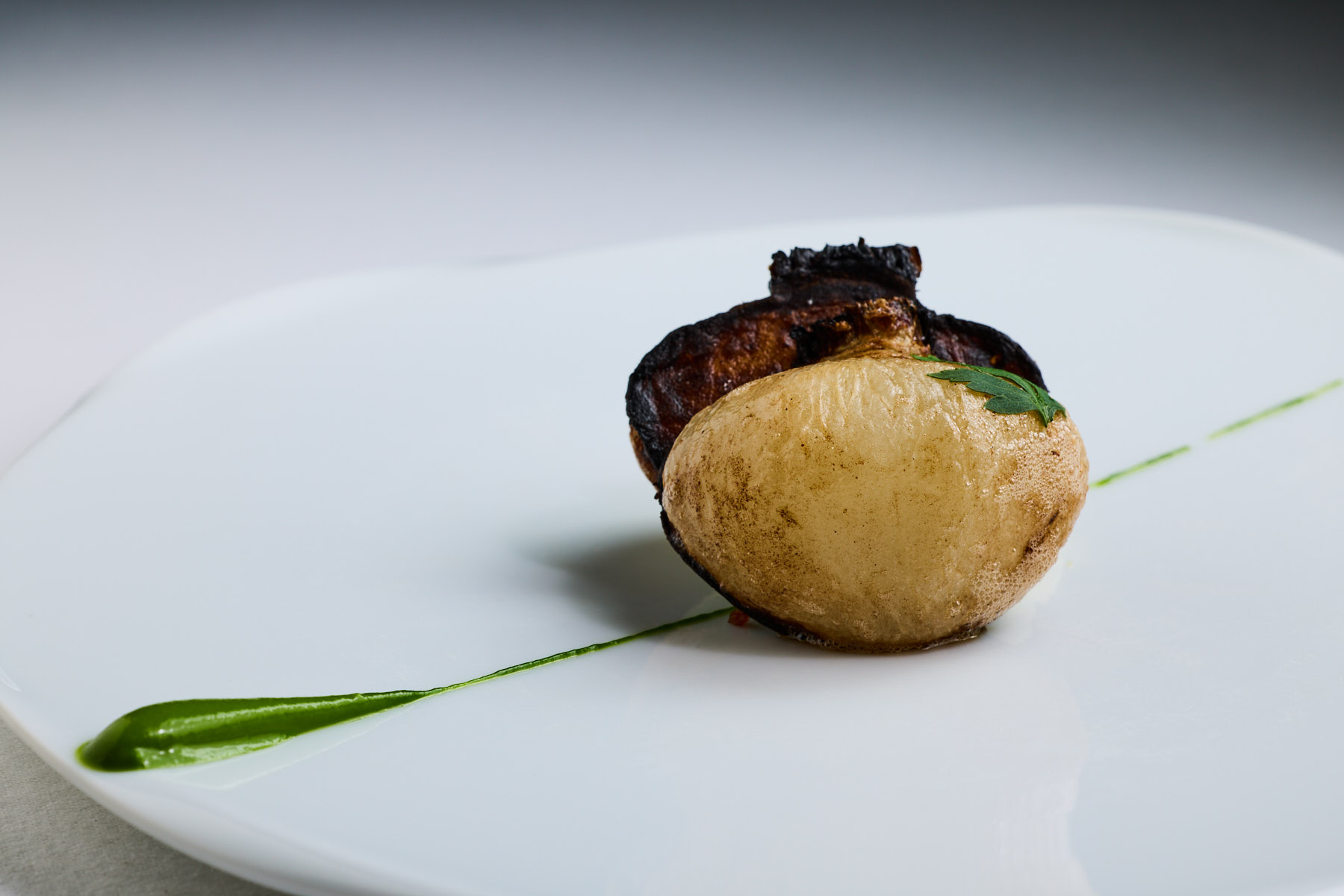
Teiten Kansoku, the signature turnip dish, describes the idea of revisiting the same ingredient over time to reveal its changing character. Slow-cooked for four hours, the turnip is finished with browned butter and served with Japanese prosciutto.
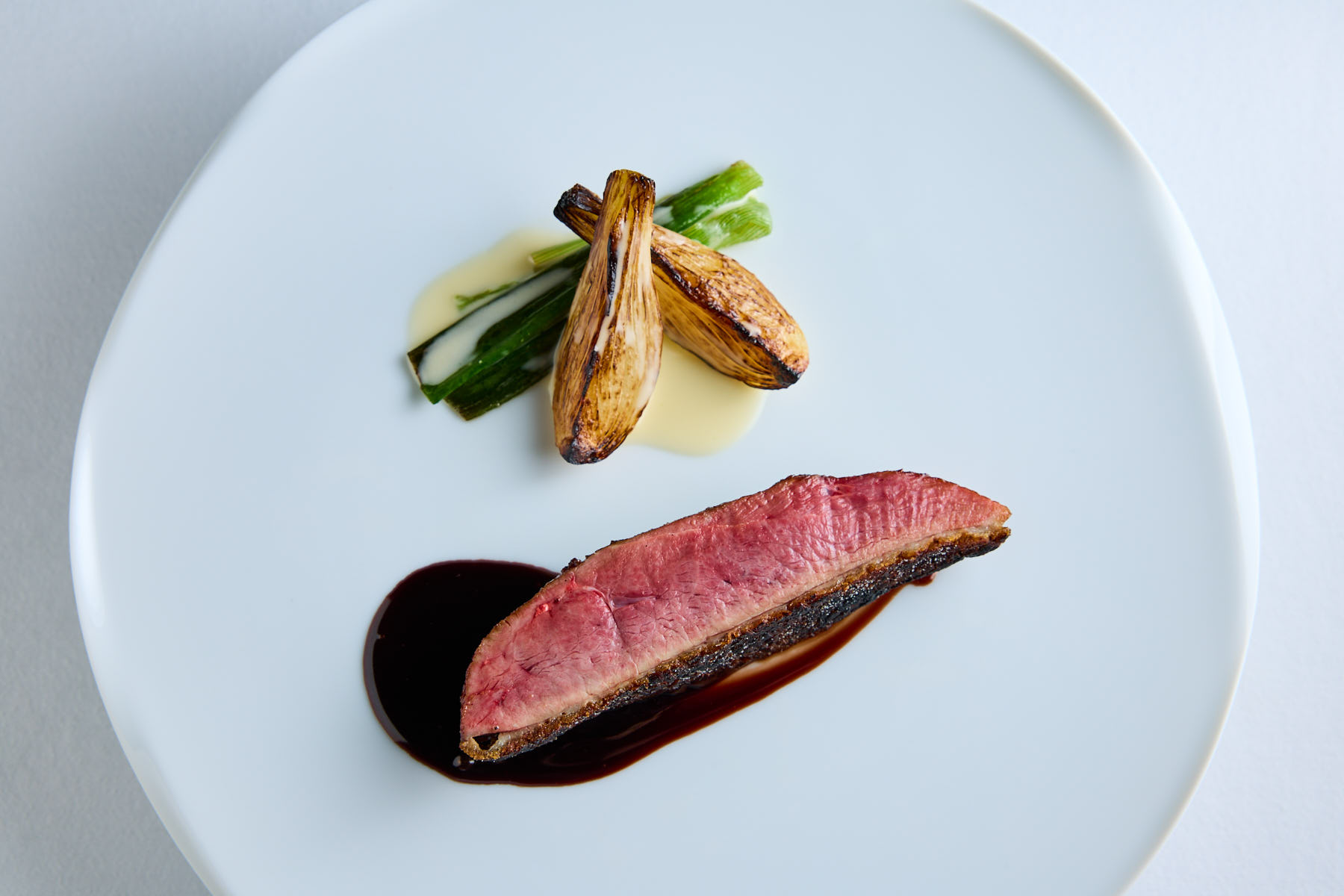
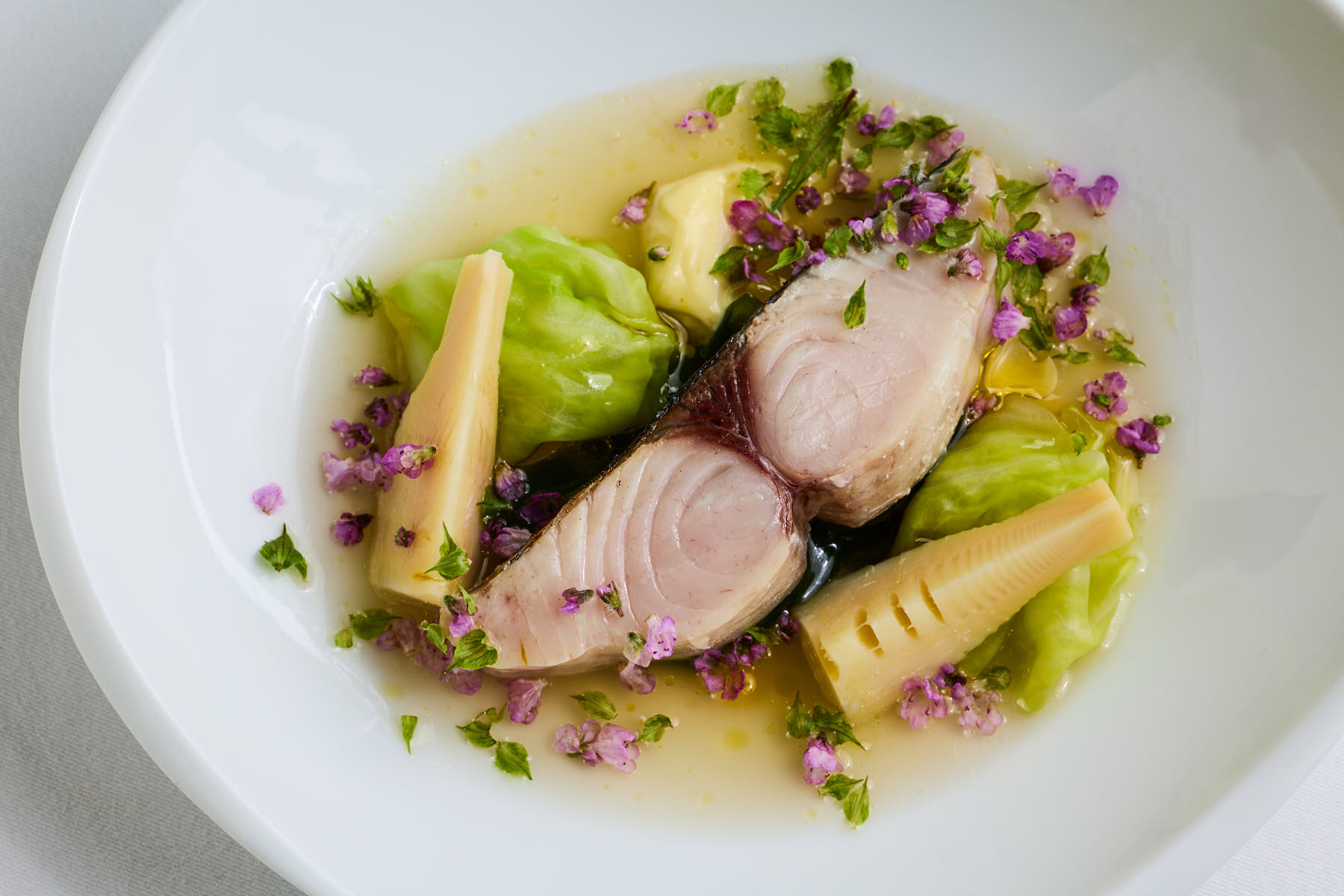
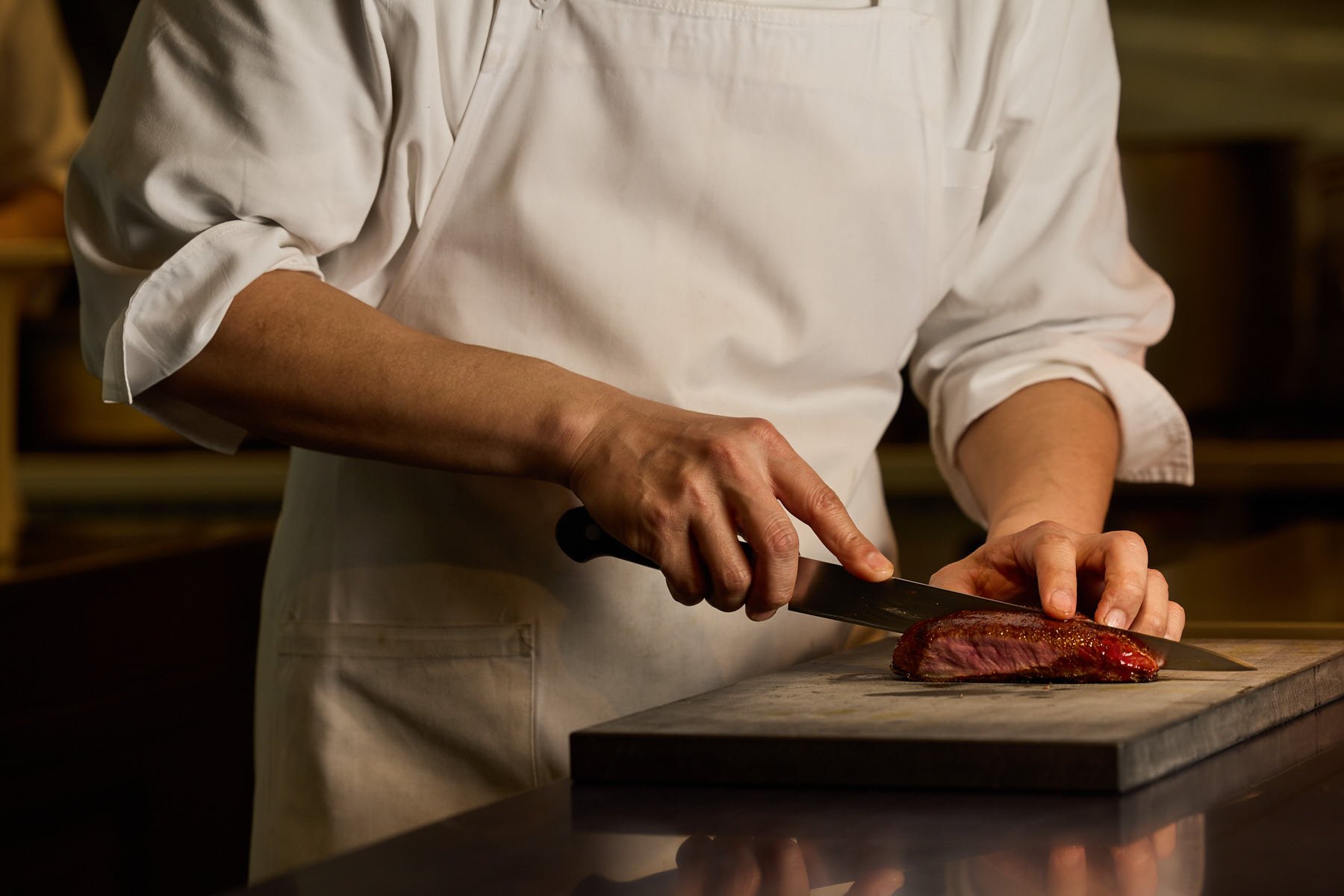
Nanatani duck, from Kyoto, is roasted in a wood-fired oven, developing remarkable tenderness and a deep, smoky aroma. Bread from bricolage bread & co., a sister establishment, provides a perfect accompaniment. Spanish mackerel is aged at near-freezing temperatures before being gently cooked in oil. The fish is then finished over charcoal in front of the guest and served with seasonal vegetables such as bamboo shoots and cabbage.
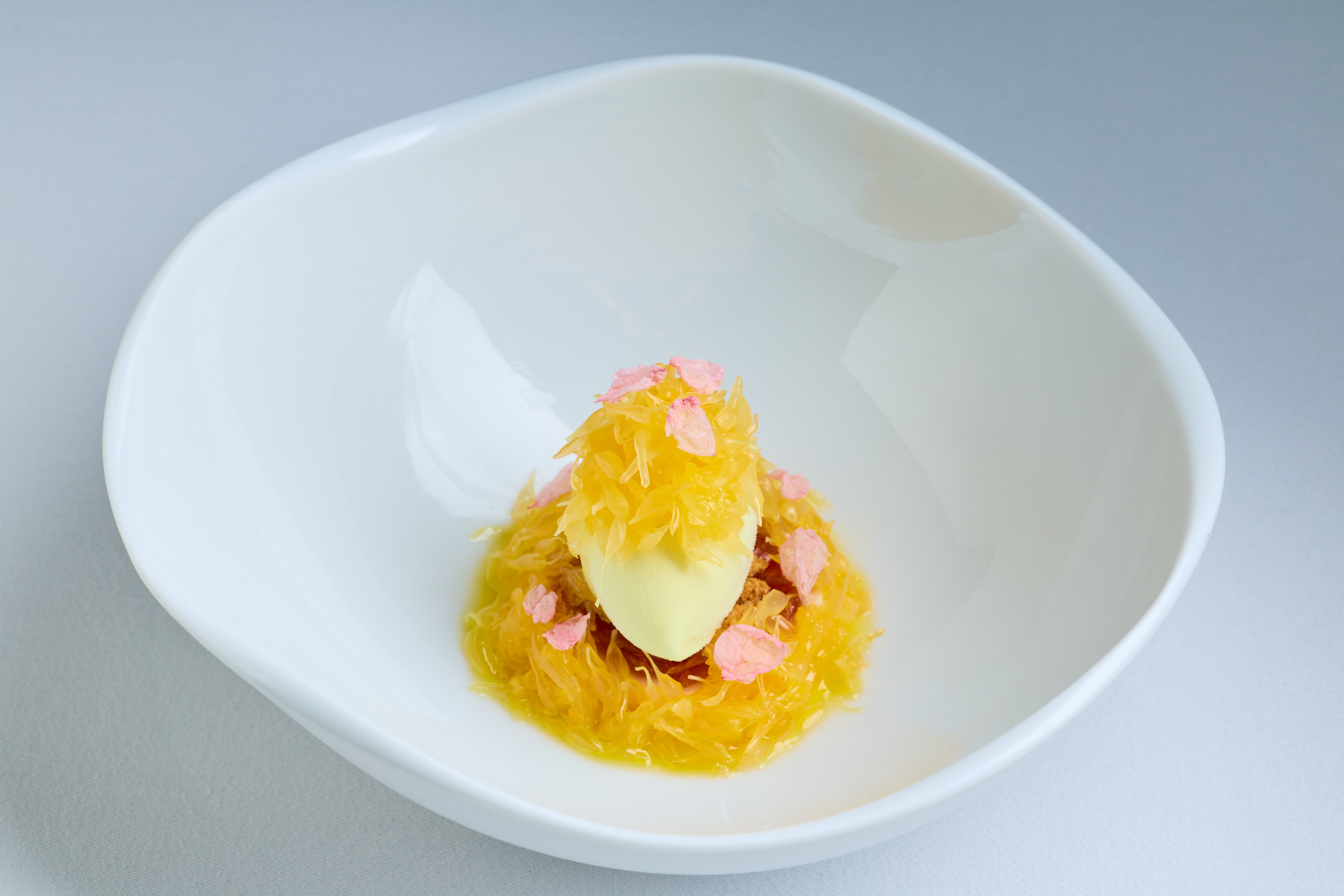
Desserts celebrate the changing seasons through fruit. One example features hassaku citrus accompanied by autumn turmeric ice cream, orange-peel marmalade, cane sugar crumble and blood-orange mousse.
CHEF
Shinobu Namae
Tea Ceremony
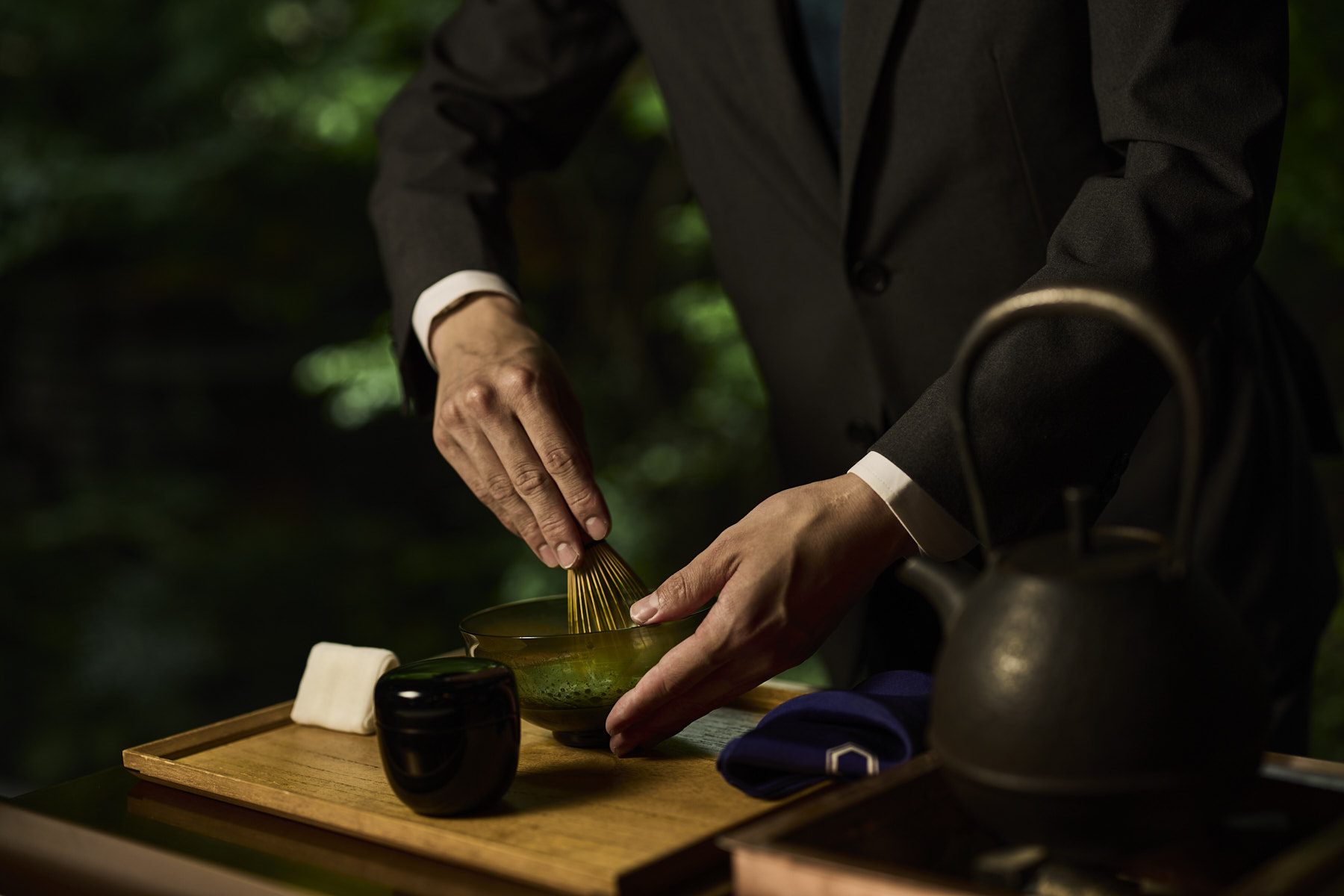
The meal at L'Effervescence concludes with a tea ceremony that reflects the restaurant's broader vision of Japanese culture and hospitality. Following the etiquette of the Sowa-ryu tea school, a tea master prepares a bowl of matcha for each guest. A kettle heated over charcoal is brought to the table, hot water is poured into the bowl, and the tea is whisked into a vivid green froth.
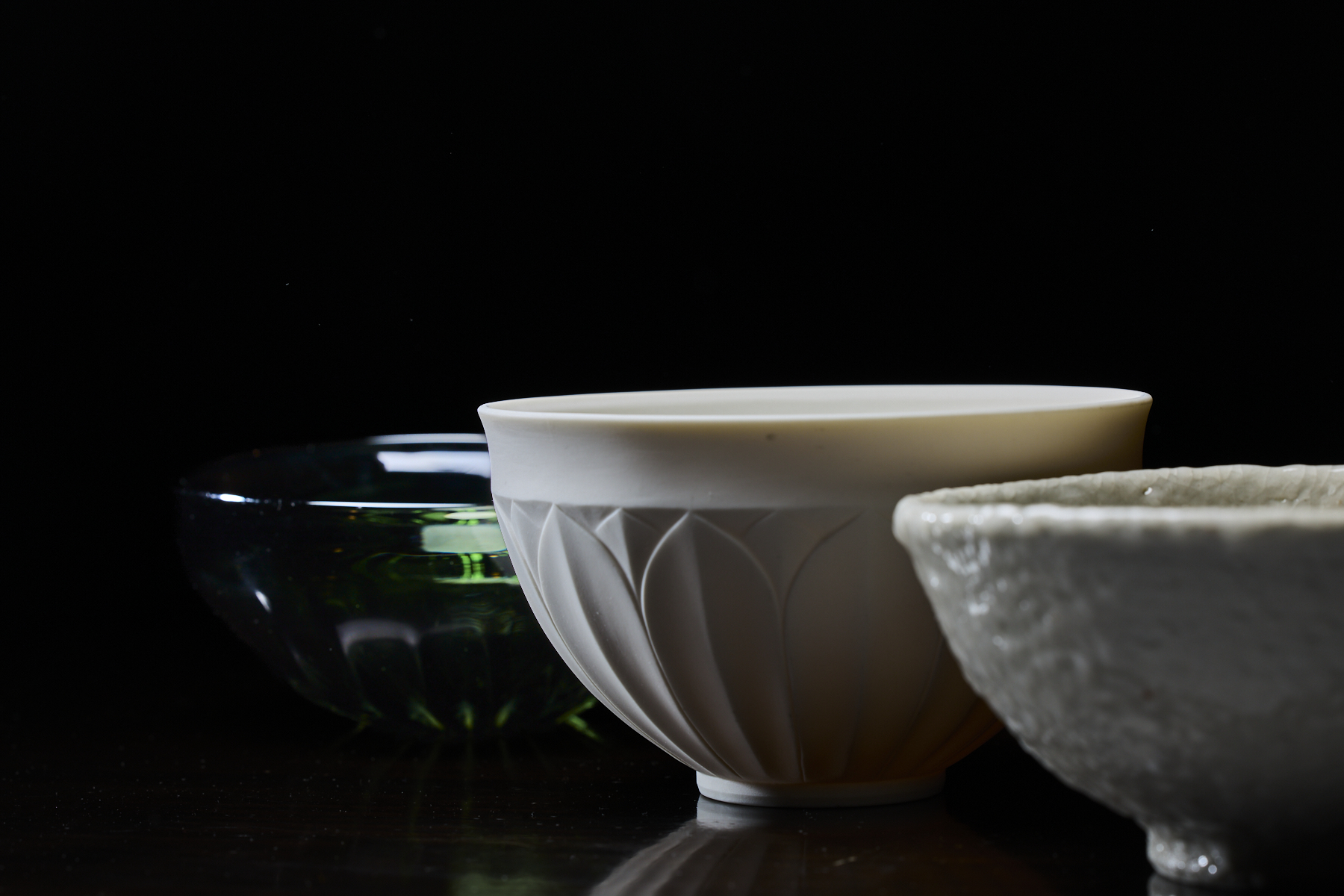
Seasonal mignardises arrive in a tiered box, and guests transfer the sweets onto kaishi before enjoying them with the tea. The matcha is served in exquisite vessels, including glass pieces created through a collaboration between the eighteenth-generation head of the Sowa School of Tea Ceremony and Sugahara Glassworks, as well as white porcelain works by ceramic artist Seiko Wakasugi.
The ritual is presented with unusual depth and care. All members of the service team, along with selected kitchen staff, receive formal training in the Sowa school, allowing them to perform the ceremony with authenticity and grace.
Course
- The price includes our booking fee of ¥8,000
- The price includes our booking fee of ¥8,000
Tokyo
L'Effervescence
レフェルヴェソンス


- GENRE
- French, Nishiazabu
- ADDRESS
-
1F, 2 Chome-26-4 Nishiazabu, Minato City, Tokyo 106-0031, Japan

- OPEN
- Lunch (Thu-Sat) 11:30AM-12:30PM, Dinner 6PM-8PM start
- CLOSED
- Sunday and Monday
- URL
- NA
- PHONE
- NA


