

Ishikawa
Sushi Ito
寿司 いと
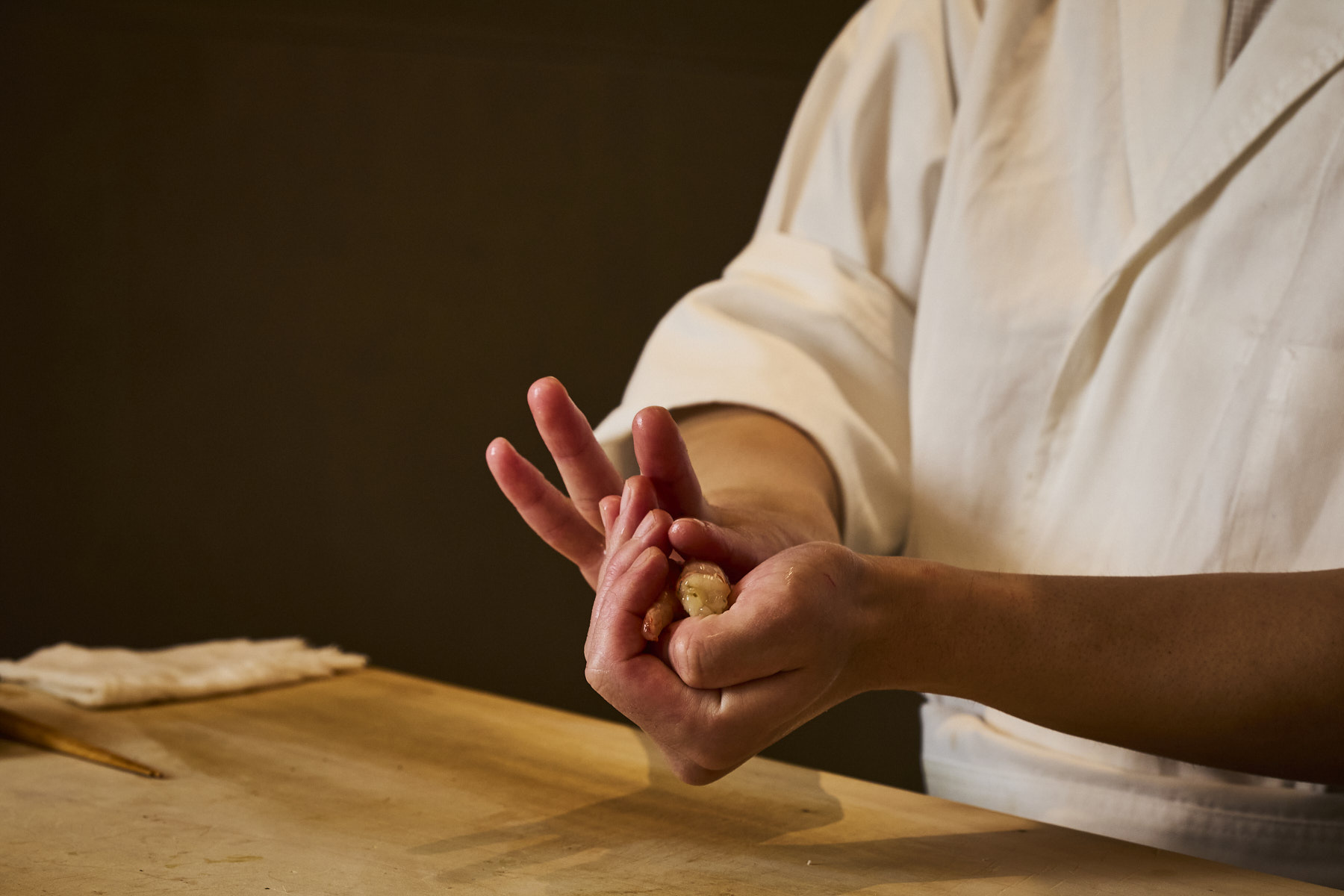
At Sushi Ito, young chef Ranmaru Ashiba introduces guests to Kanazawa's rich seafood culture through an Edomae-style omakase. Opened in 2026 as the sister restaurant to Sushi Ikuta, the intimate seven-seat counter serves finely-scored aori-ika, kombu-cured Kanazawa ama-ebi and aged Noto tuna among their seasonal highlights. Together with excellent local sake, Ashiba's warm hospitality and easy conversation make Sushi Ito an inviting place to experience the flavors of Hokuriku.
Located in the lively dining district of Kiguramachi, Sushi Ito was conceived by Sushi Ikuta’s owner-chef Takashi Ikuta as a place where young chefs could develop their craft. Named after Ikuta's daughter, the restaurant reflects the idea of weaving connections between people. Like the flagship, the restaurant welcomes families with children.
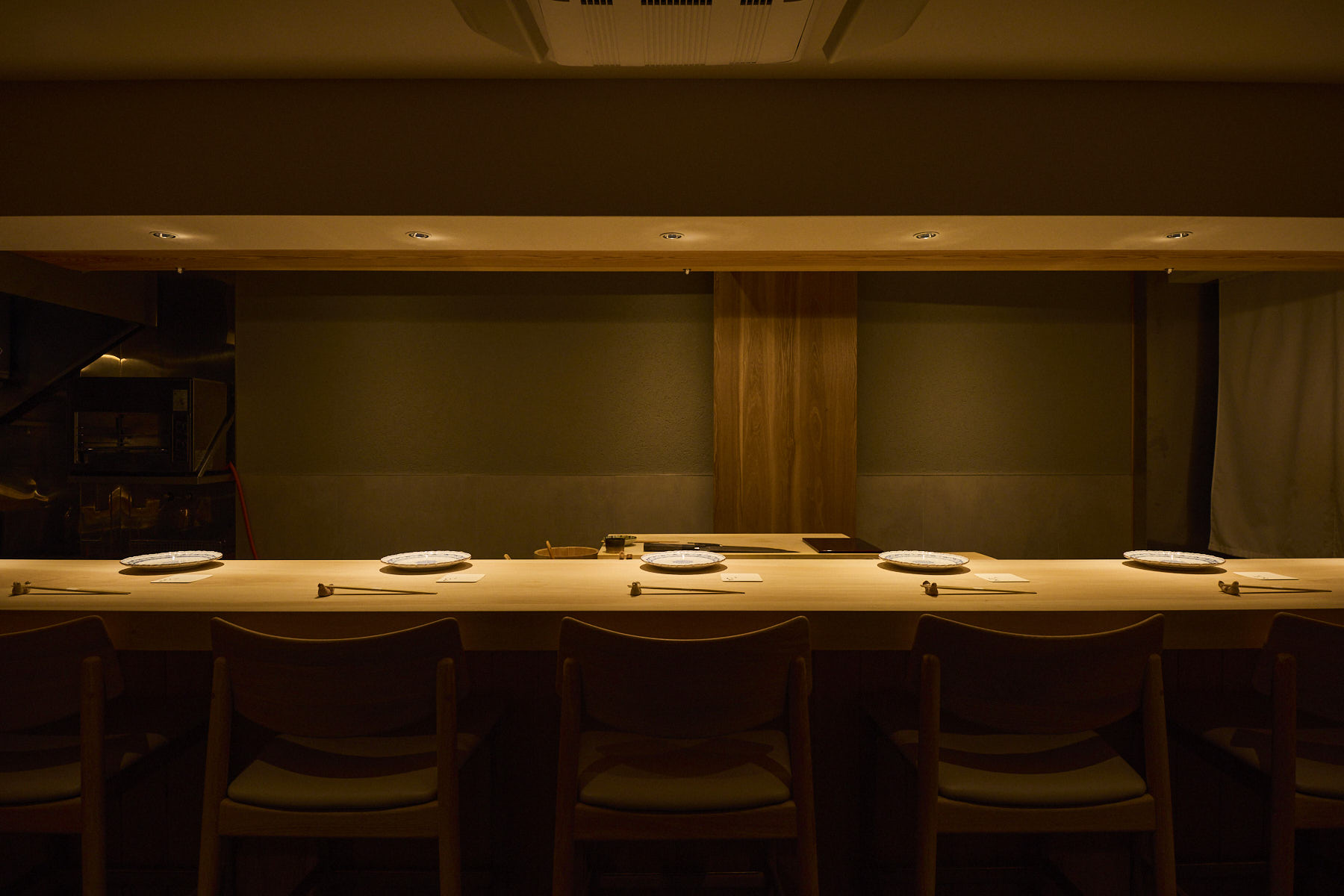
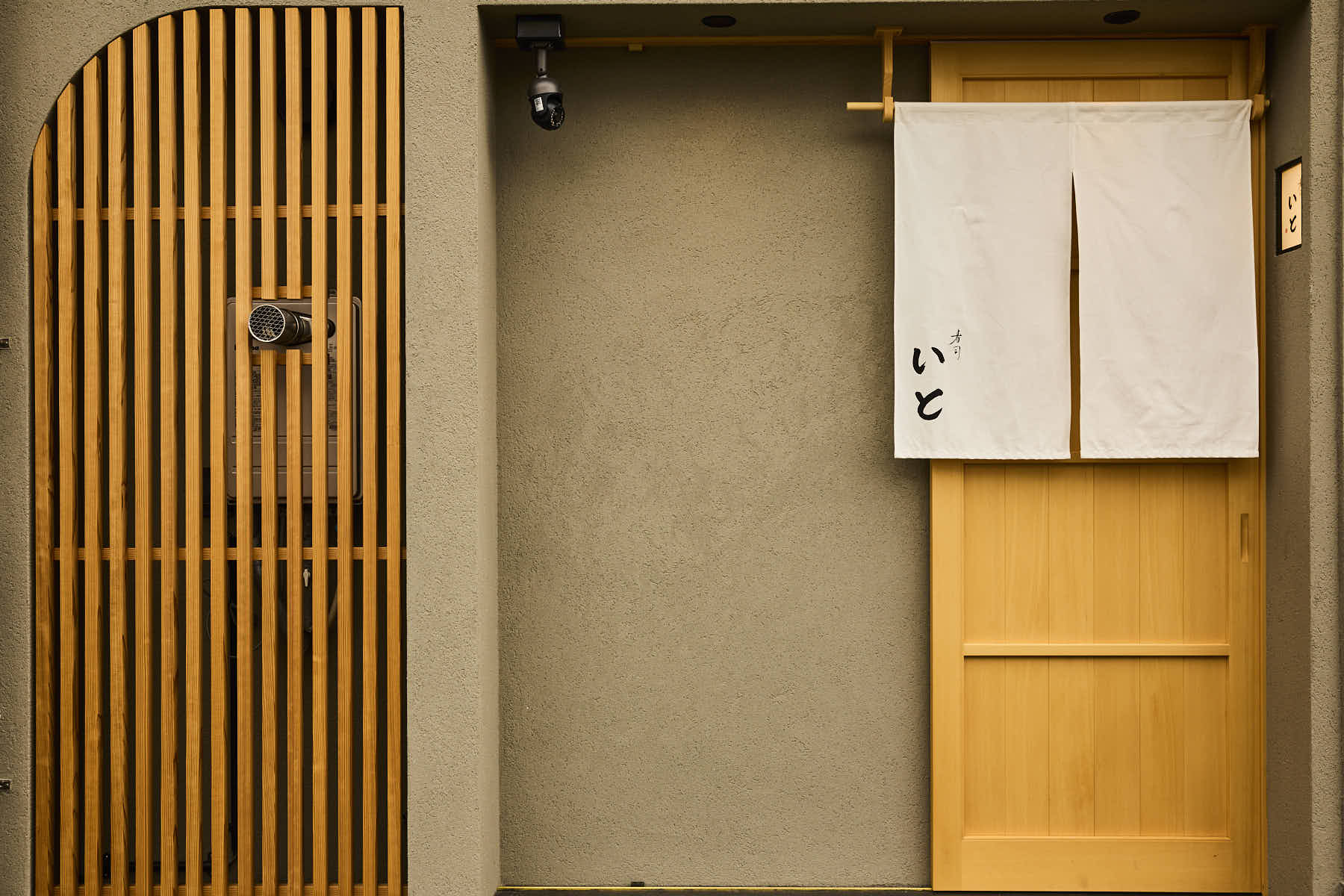
Beyond the noren curtain, guests are met by a broad ginkgo wood counter. Finished in pale timber and soft neutral tones, the minimalist interior creates an airy sense of openness. The straight counter brings diners close to the chef, allowing them to follow every movement as the meal unfolds. A second floor with a cypress counter is planned for use as the team expands.
CUISINE
Rooted in Noto's Seas
The meal at Sushi Ito is entirely dependent on the morning’s catch. Ikuta and Ashiba discuss the menu every morning, shaping each course around the day's finest arrivals. Lunch features ten pieces of nigiri, while dinner offers a course of five tsumami, nine pieces of nigiri, a hand roll and miso soup.
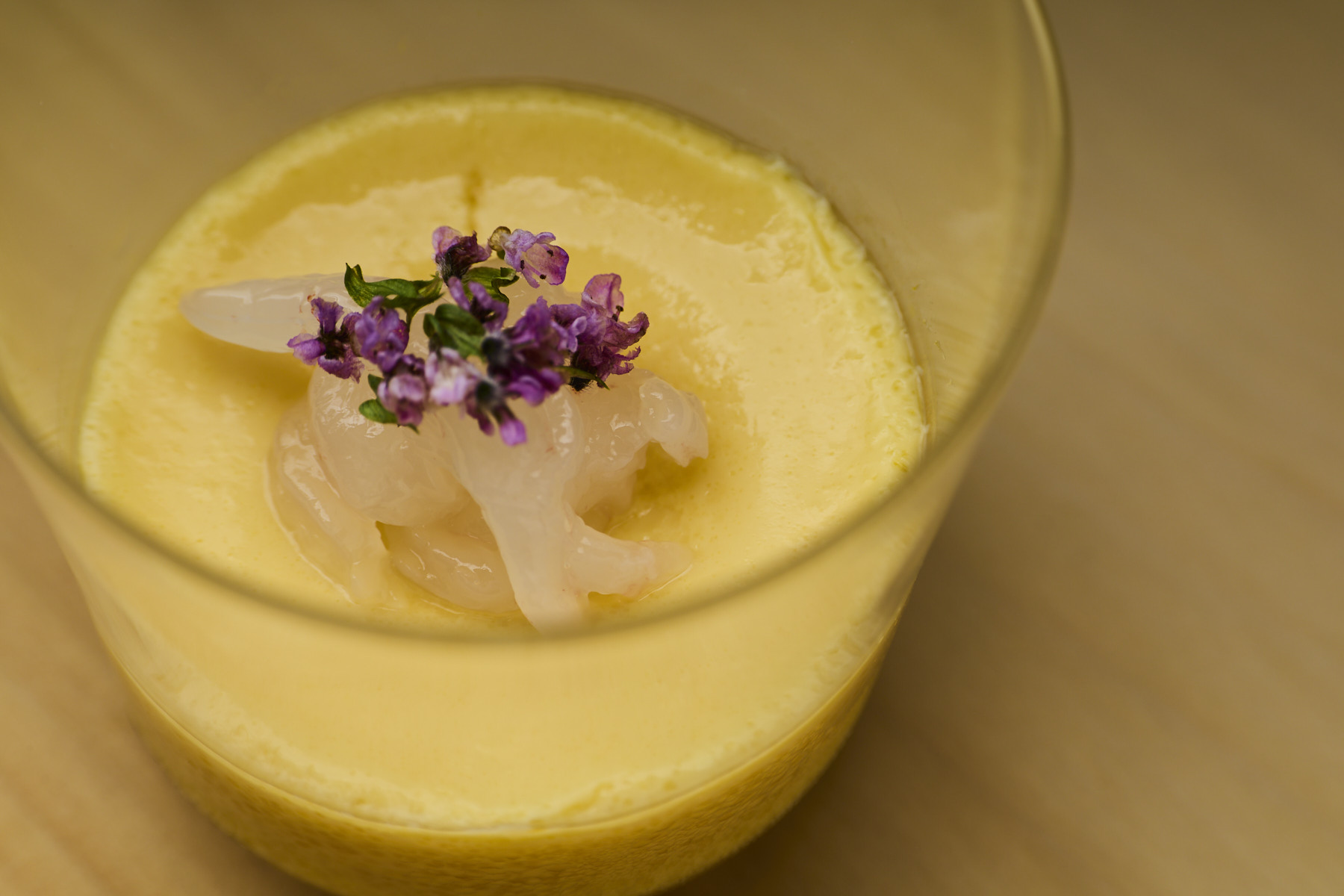
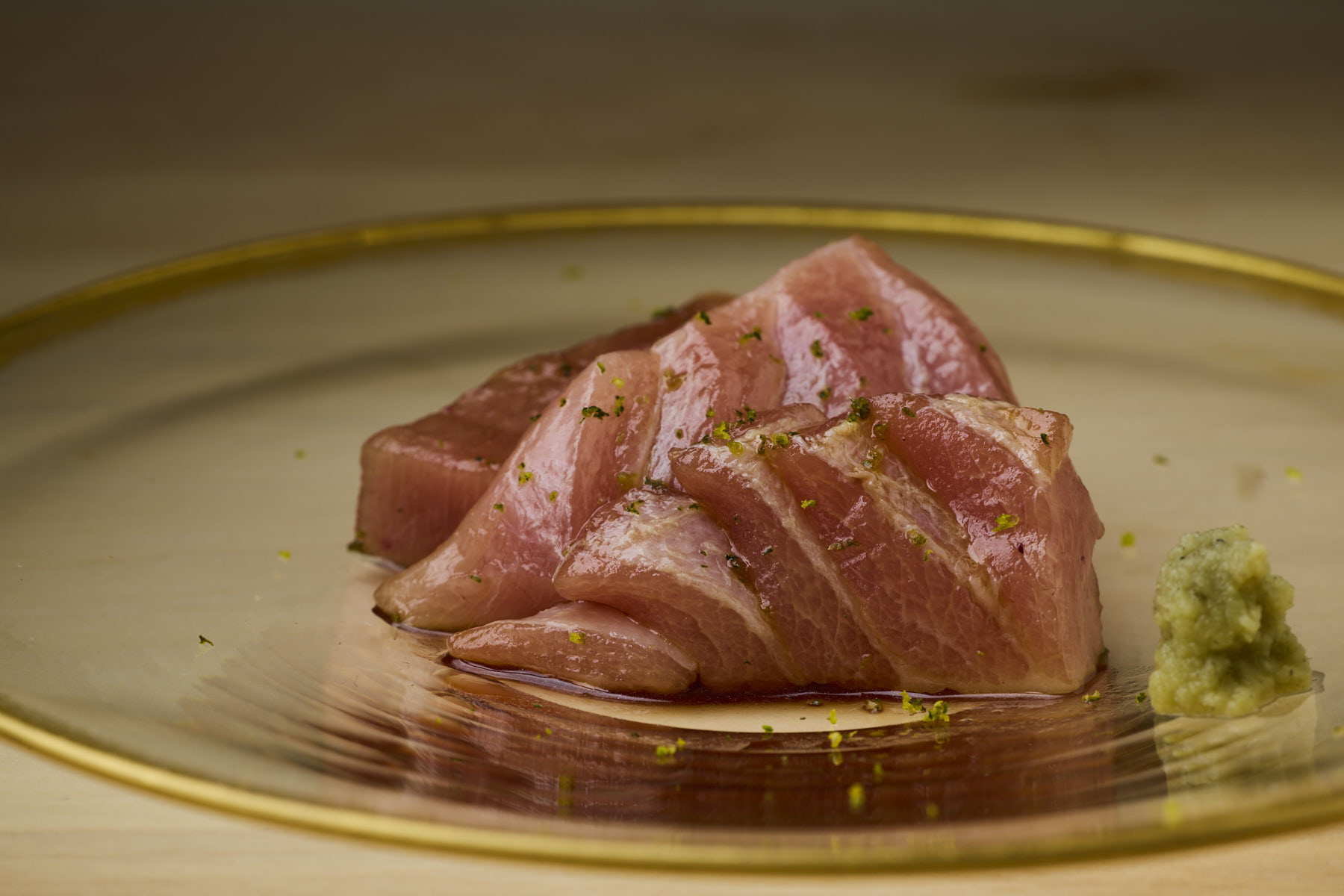
A series of seasonal appetizers opens the meal including white-fleshed fish sashimi, simmered dishes and grilled seafood, followed by a chilled chawanmushi made with local corn and topped with Toyama Bay white shrimp. A small dish of meji-maguro, young bluefin tuna, is marinated in soy sauce until tender.
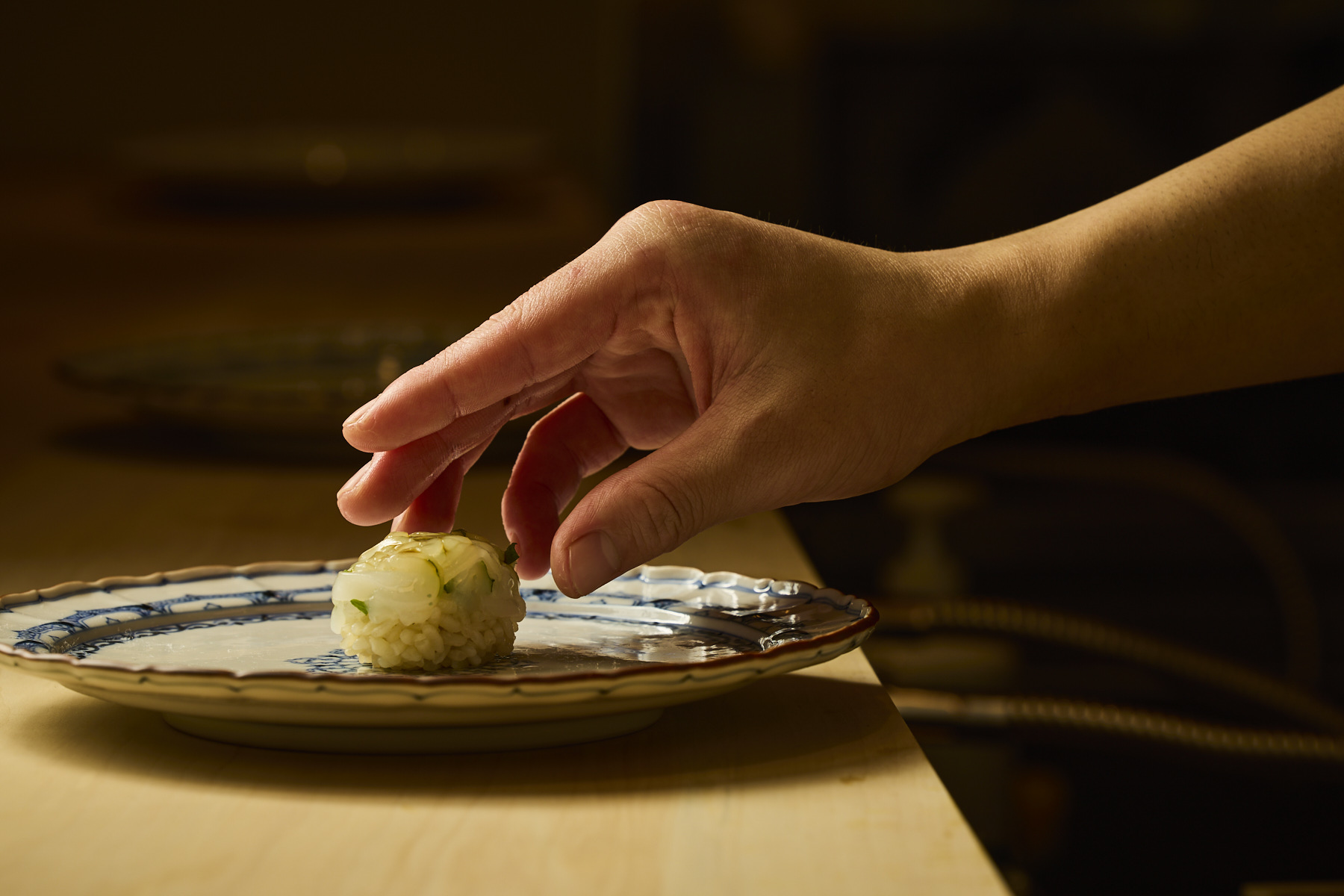
Presented on deep indigo Kutani ware by the young artist Terutada Miura, Ashiba's nigiri is defined by his unique handling of the shari, the vinegared sushi rice. He serves the rice slightly warm and shapes it with a light touch so that it gently falls apart in the mouth. A blend of four vinegars, including two varieties of red vinegar, gives the rice a rounded finish that complements rather than competes with the fish.
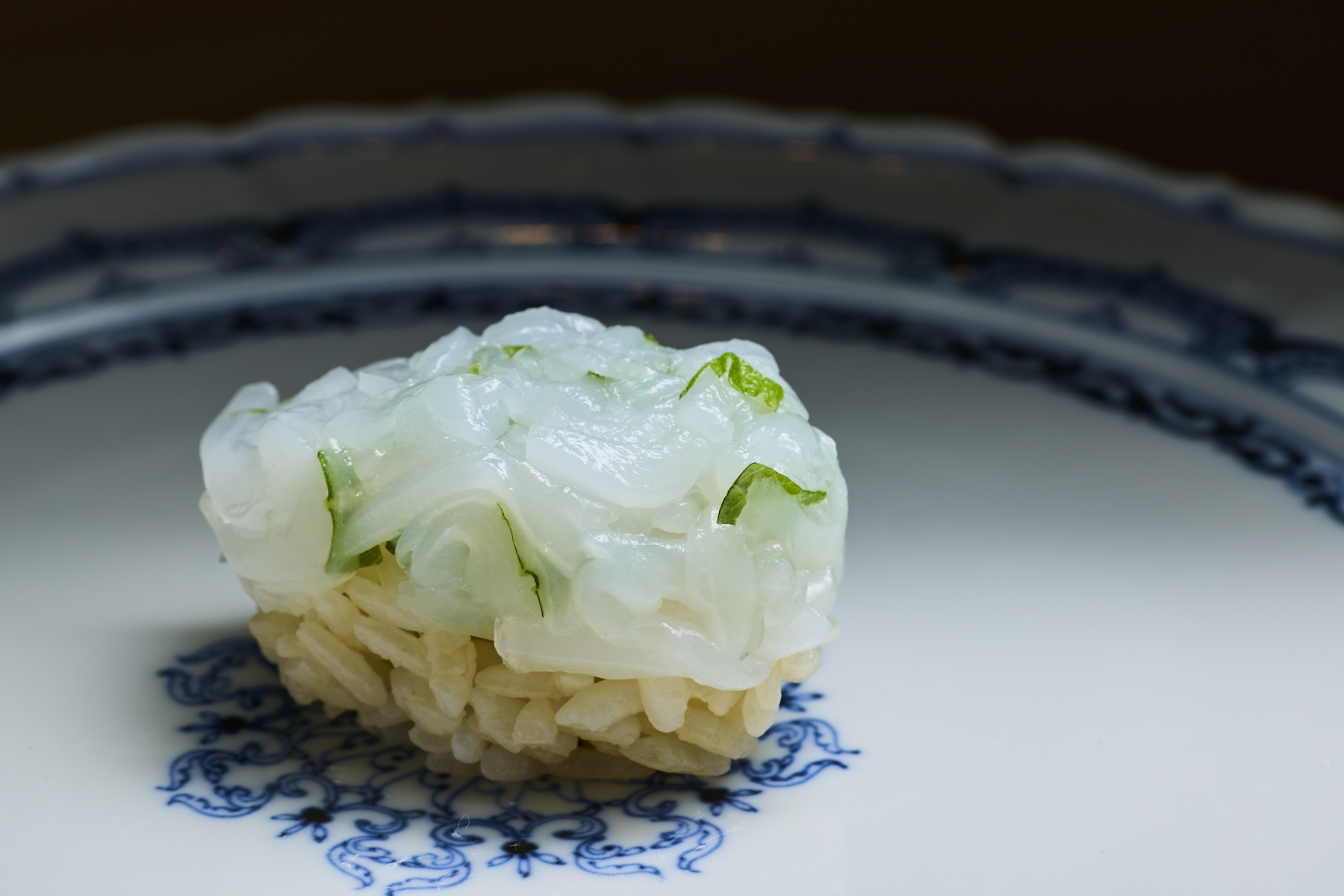
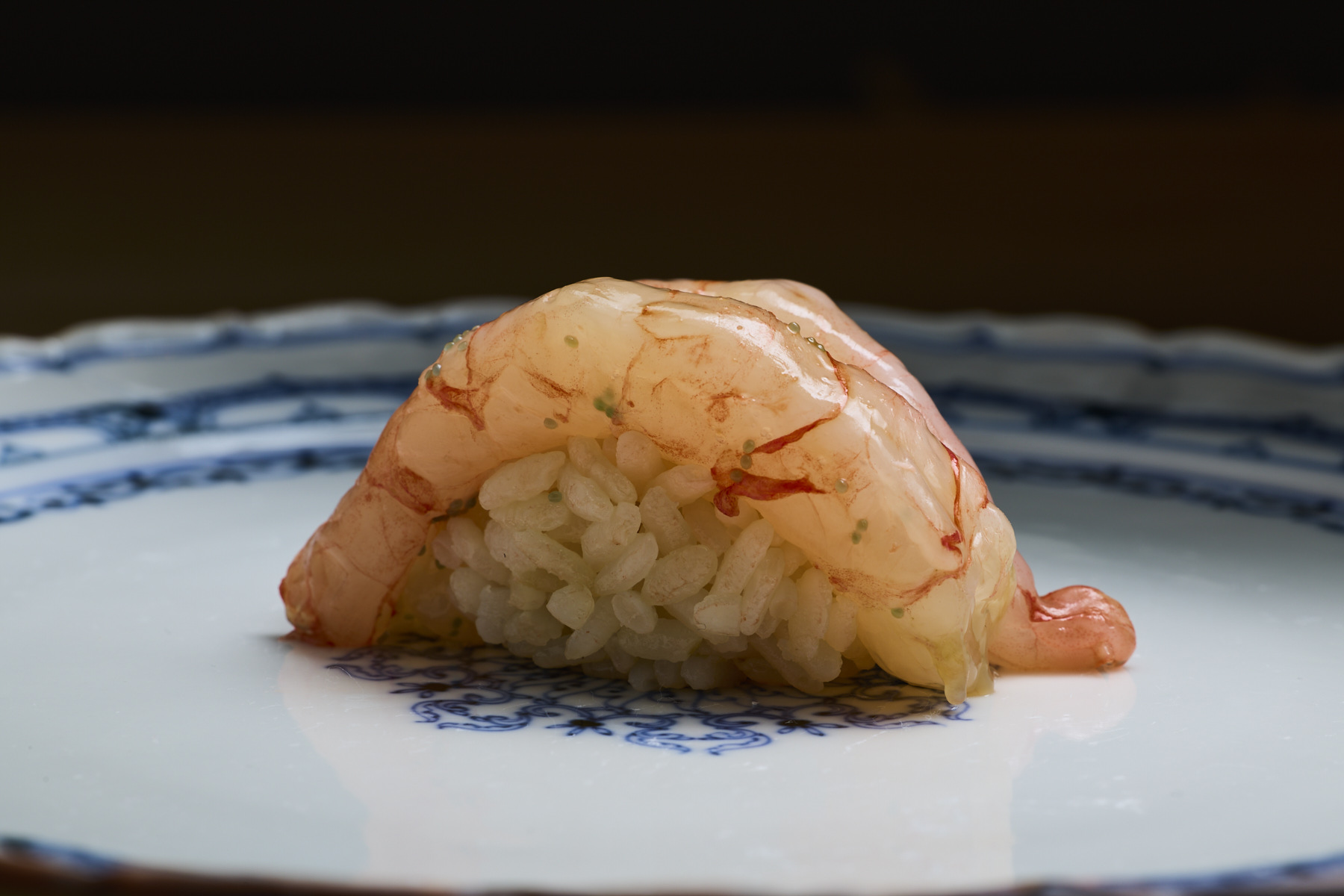
White fish is followed by local aori-ika (bigfin reef squid), aged for around three days before being scored into fine, thread-like incisions and served with shiso. The technique enhances the squid's creamy sweetness and delicate texture. Kanazawa ama-ebi (sweet shrimp) is large and firm with roe attached, its sweetness heightened by a light kombu cure.
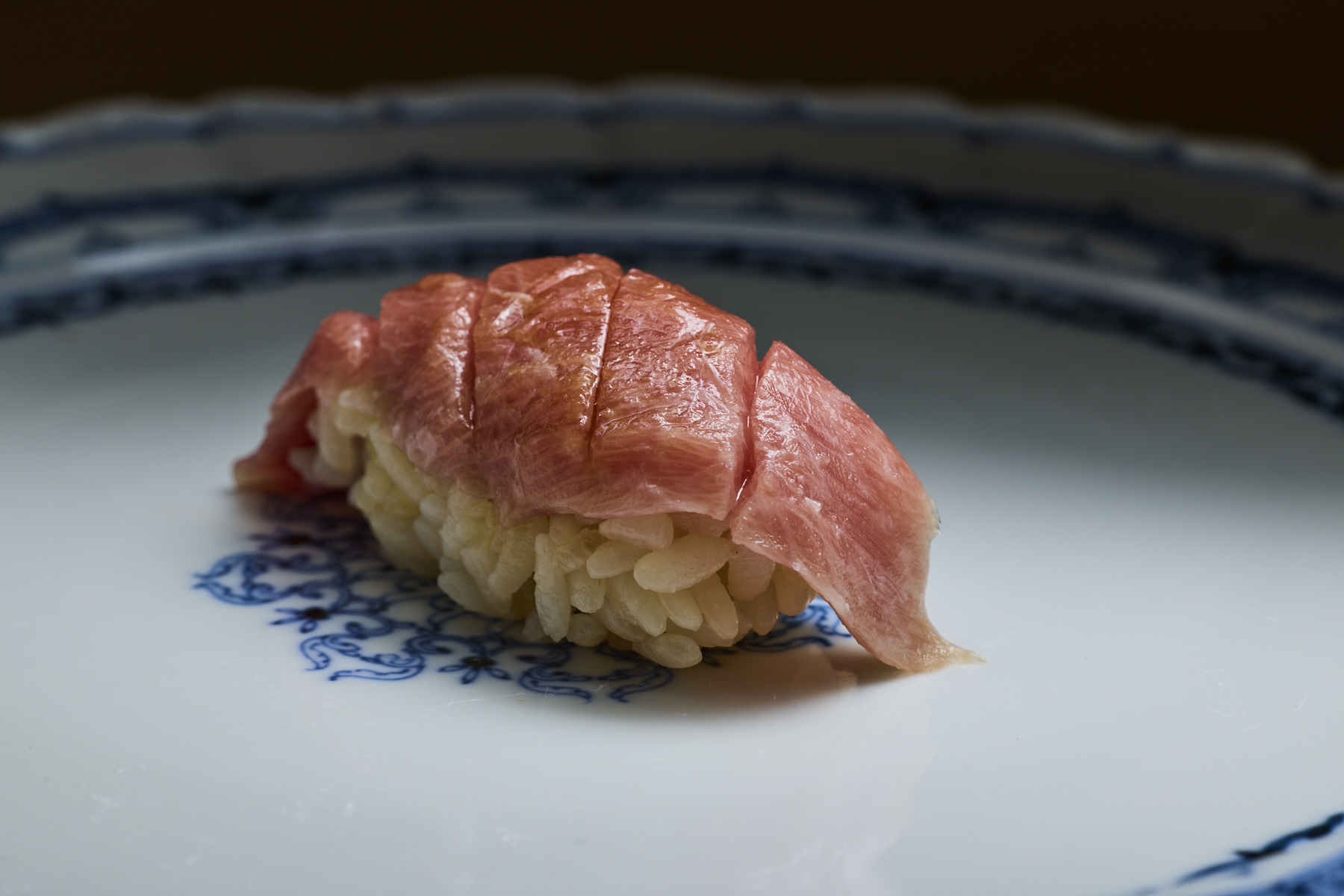
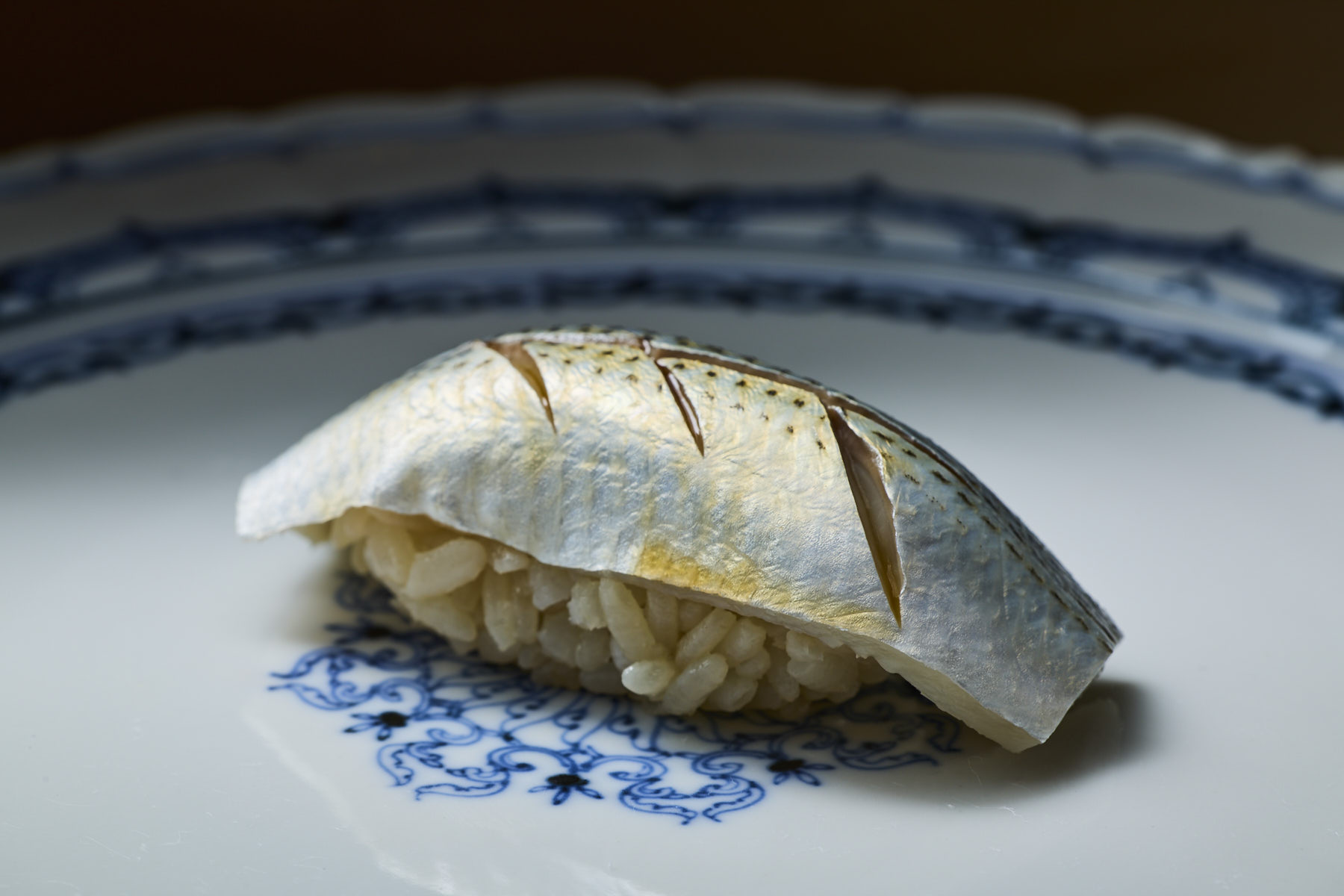
Zuke akami, lean tuna, is dipped briefly in a soy marinade inherited from Sushi Ikuta, with a touch of yuzu adding freshness to its deep umami. The toro comes from Noto and is aged before serving, while the kohada from Nanao is cured more gently than at Sushi Ikuta, allowing the fish's natural flavour to come through.
The meal concludes with tamago made from shrimp paste and mountain yam, creating a texture reminiscent of castella sponge cake. The chef prepares it on days when children are expected, a small gesture that reflects the restaurant's welcoming approach to families.
INGREDIENTS
The menu is built around seasonal fish from Hokuriku, particularly from Kanazawa and the Noto Peninsula. Procurement is handled each morning by Ikuta, who selects the fish for both restaurants. Among the prized ingredients is Kanazawa Ama-ebi, a designation given to only a small fraction of sweet shrimp caught by Kanazawa fishermen. Only the largest shrimp carrying roe earn the name.
The rice is a blend that includes Ishikawa-grown Koshihikari, while vegetables are sourced locally whenever possible. Wasabi comes from Shizuoka Prefecture, and kelp is harvested in southern Hokkaido. For the nikiri sweetened soy glaze, the restaurant deliberately uses soy sauce from Chiba rather than the sweeter style typical of Kanazawa, giving the sushi a cleaner, more balanced finish.
CHEF
Ranmaru Ashiba
SAKE
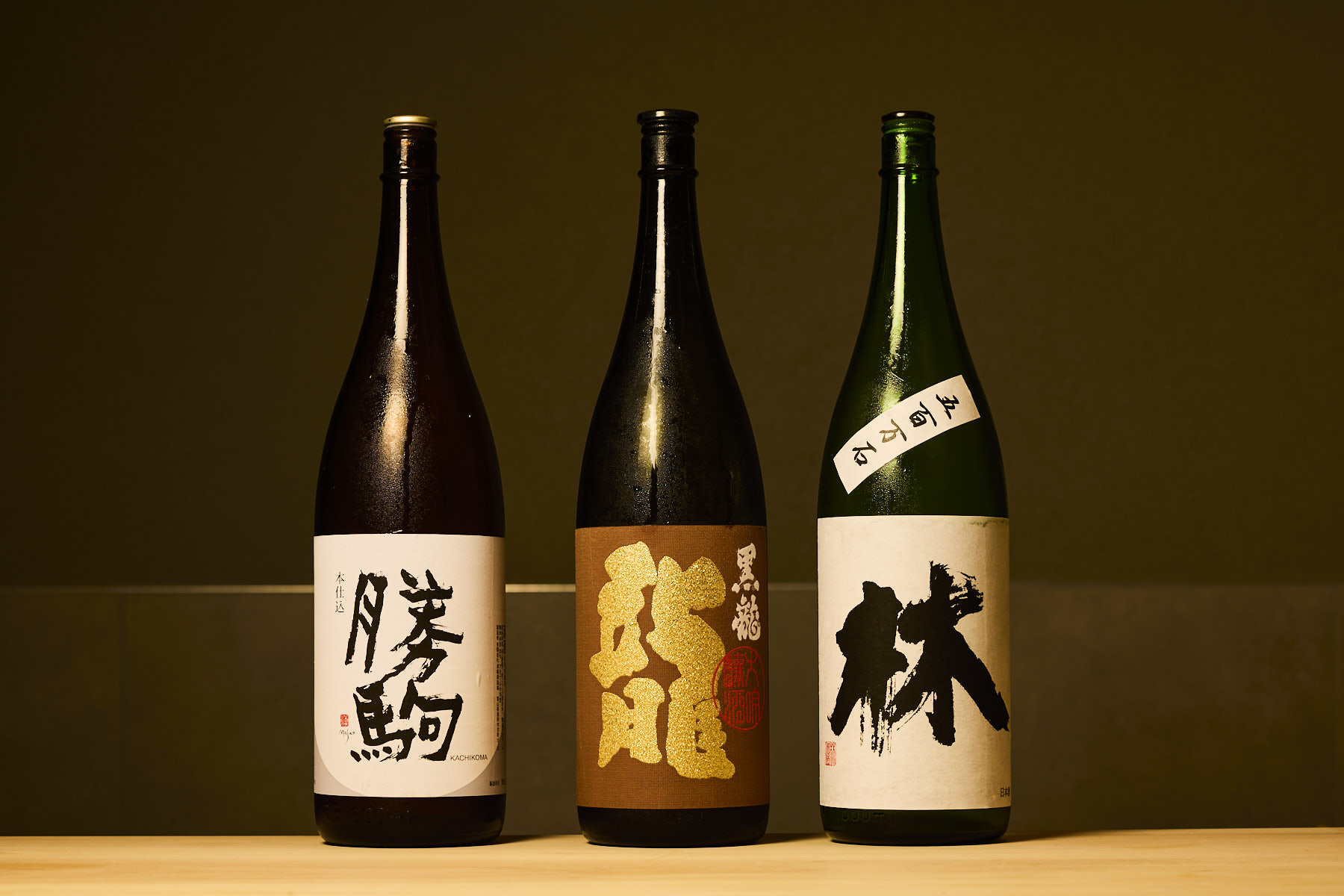
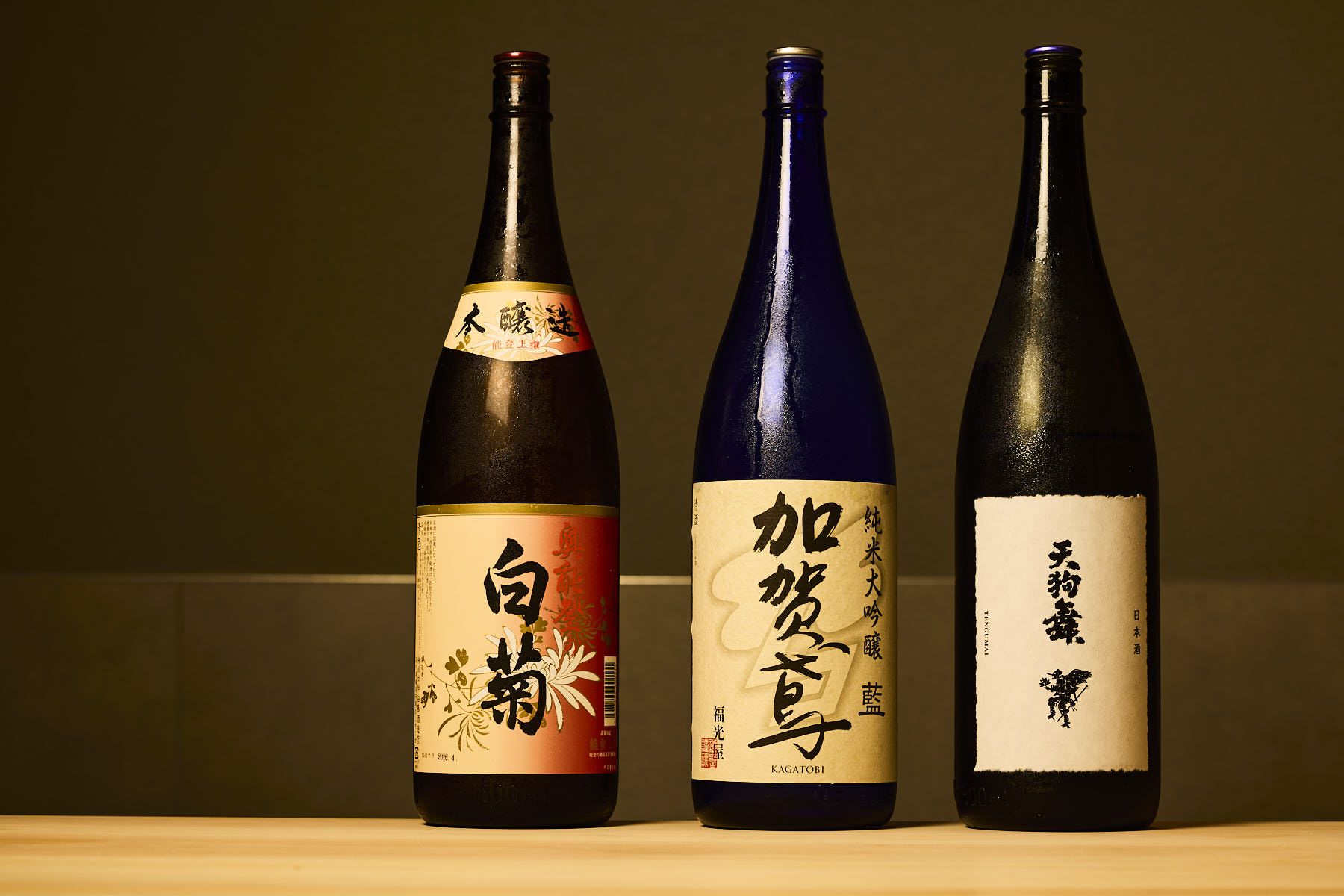
The restaurant stocks around ten varieties of local sake from Hokuriku, with a particular focus on breweries in Kanazawa. One of the top recommendations from Ikuta and Ashiba is Hayashi, brewed by Hayashi Shuzojo in Toyama Prefecture using Gohyakumangoku rice. Its clean profile pairs well with sushi. The list also includes Kaga-tobi from Fukumitsuya, a historic Kanazawa brewery and Kokuryu from Fukui's Kokuryu Sake Brewing. Guests are encouraged to share their preferences with Ashiba and let him choose a sake for the meal.
Course
- The price includes our booking fee of ¥8,000
- The price includes our booking fee of ¥8,000
Ishikawa
Sushi Ito
寿司 いと


- GENRE
- Sushi, Kanazawa
- ADDRESS
-
1F, 石川県金沢市木倉町1-13

- OPEN
- 12PM-2:30PM/6PM-10PM
- CLOSED
- Irregular
- URL
- NA
- PHONE
- NA


